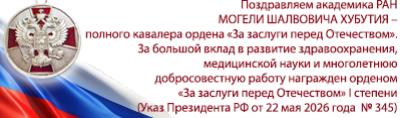
EDITORIAL
ACTUAL ISSUES OF TRANSPLANTATION
Background. Long-term immunosuppression in standard regimens, though preventing a rejection, simultaneously increases morbidity and mortality in liver transplant recipients. Minimization or discontinuation of immunosuppressive drugs may reduce this burden; however, the permissible limits, safety, tolerability, clinical outcomes, and long-term results of this strategy remain undefined and require thorough study and clarification.
Objective. To develop a clinical protocol and investigate the feasibility and clinical safety of personalized immunosuppression minimization in the long-term period after liver transplantation.
Material and methods. Forty stable liver recipients, at 74±7.21 months (range: 6–182 months) post-transplantation, were included in a retrospective single-center study on tacrolimus minimization/discontinuation. Mean age at enrollment was 56.3±1.4 years. Twenty-two (55%) patients were on tacrolimus monotherapy, and 18 (45%) on a combination tacrolimuseverolimus therapy. Tacrolimus dose was gradually reduced over 8 (4;11) months.
Results. Graft dysfunction developed in 32.5% of cases (n=13) with dose reductions of 25–95%. Rejection was diagnosed in 7 (17.5%) patients based on laboratory and morphological data, 3–9 months after starting minimization. All dysfunction episodes were reversible. The median duration of subsequent dysfunction-free graft period in all intolerant patients was 28 (26;33) months. Twenty-seven (67.5%) patients tolerated minimization: 15 (37.5%) completely discontinued tacrolimus, and 12 (30%) achieved a 40–87.5% dose reduction (mean 62.7%). Median follow-up for tolerant patients after completing the minimization was 26 (20;30) months. Control biopsies performed 1–33 months (median 15 months) after completing the minimization showed no negative dynamics in histological patterns. Comparison between the everolimus group and the monotherapy group revealed significant differences: tolerant patients to immunosuppression minimization accounted for 83% vs. 55% (p=0.053); tacrolimus discontinuation was achieved in 72.2% vs. 9.1% (p<0.001); the dose reduction extent was 100 (90.3;100) % vs. 56 (42.5;78.8) % (p<0.001). In the whole cohort, the estimated GFR increased from the baseline of 62 (50;70) mL/min/1.73 m2 to 66.5 (54;80) mL/min/1.73 m2 by the end of the follow-up (p=0.011).
Conclusion. Controlled immunosuppression minimization in the long-term post-transplant period is successful in a significant proportion of carefully selected recipients. The procedure being safe with strict protocol adherence. A maximal tacrolimus dose reduction is achieved more frequently and with lower rejection risk in patients on everolimus. A positive effect of minimization on kidney function has been confirmed.
Background. One of the late complications of liver transplantation is postoperative hernia of the abdominal wall, which occurs in 5–46% of recipients. An incisional hernia reduces the quality of life, and is accompanied by various complications, such as adhesive disease, intestinal passage disorder, entrapment. In addition to other factors affecting the formation of an abdominal scar, traumatic surgical approaches are reviewed as predictors of herniation.
Material and methods. The results of treatment of 77 recipients after liver transplantation in the period 2018-2025 were evaluated. Related living donor transplantation was performed in 5 and cadaveric one in 72 patients. J-shaped approach was provided to 75 (97.4%) and “Mercedes” was used in 2 (2.59%) recipients.
Results. An incisional hernia of the abdominal wall complicated the late postoperative period in 38.9% of cases. Hernial defect was diagnosed 0.5–7 years after transplantation, and in 50% of cases, the diagnosis of incisional hernia was made within 6 to 12 months after surgery. The locus minoris resistentiae of the J-shaped access is the white line and angle of the postoperative scar, where hernial defects appear more often.
Conclusion. One of the factors of herniation after liver transplantation is the multidirectional, relatively traumatic J-approach, which implies the optimal methods for strengthening "weak" points or the use of other, mainly transverse approaches.
Introduction. Simultaneous pancreas and kidney transplantation (SPKT) is an effective method of surgical treatment for patients suffering from type 1 diabetes mellitus (DM 1) in combination with end-stage renal disease as a result of diabetic nephropathy. Mean arterial pressure (MAP) of at least 90 mmHg improves hospital survival of grafts and recipients after SPKT. This paper presents the study investigating the effect of intraoperative MAP on long-term outcomes after SPKT.
Objective. The study objective was to evaluate the impact of the factor MAP at reperfusion in patients undergoing SPKT on the 15-year survival of kidney grafts, pancreas grafts and recipients.
Material and methods. A retrospective study of the effect of the MAP value at the stage of transplant reperfusion on the long-term treatment outcomes of 86 patients who underwent SPKT from 01.01.2007 to 12.31.2024 at the Kidney and Pancreas Transplantation Department of N.V. Sklifosovsky Research Institute for Emergency Medicine. There were 52 men (60%) and 34 women (40%), with a median age of 35 (31;39) years. Initially, the ROC analysis divided the patients into two groups: group I consisted of patients with MAP of <90 mmHg (n=23); group II consisted of patients with an average MAP of >90 mmHg (n=63). The primary point was to study the effect of a combination of factors, including the MAP value on reperfusion, on the 15–year survival rate of kidney grafts, pancreas grafts and recipients after SPKT. The end point was to analyze the 15–year survival rate of kidney grafts, pancreas grafts and recipients depending on the level of MAP during reperfusion.
Results. There was a statistically significant increase in the risk of a fatal outcome in recipients over the next 15 years after surgery, with a 5.66-fold increase in the duration of renal replacement therapy for each year (p=0.018), a 1.067-fold increase in BMI per 1 kg/m2 (p=0.036), and a 1.782-fold decrease in the mean arterial pressure during reperfusion below 90 mmHg (p=0.021). The influence of the other factors was statistically insignificant. There was a statistically significant dependence of the risk of 15-year loss of a kidney graft (p=0.017), a pancreatic graft (p=0.042) and the lethality of recipients (p=0.005) on the level of mean arterial pressure during reperfusion. The 15-year survival rate of renal allografts was 42.3% in the group with MAP>90 mmHg, and 38.2% in the group with MAP<90 mmHg; the survival rate of pancreatic allografts was 60.8% and 48.9%, respectively; and the survival rate of recipients was 78.8% and 57.4%, respectively.
Conclusion. The MAP value of > 90 mmHg during the reperfusion is a statistically significant factor of the increase in the 15-year survival rates of a kidney graft (p=0.017), pancreas graft (p=0.042), and recipients (p=0.005) after SPKT.
CASE REPORTS
Introduction. Structural degeneration of biological prosthetic heart valves is an inevitable complication in the long term, requiring repeated surgery. Repeated open surgery is associated with a high risk in comorbid patients. Valve-in-Valve (ViV) transcatheter technology has become a minimally invasive alternative.
Objective. To demonstrate the effectiveness and safety of a two-stage ViV strategy on tricuspid and mitral valves.
Material and methods. A clinical case of a patient born in 1947 with mitral valve (MC) and tricuspid valve (TC) bioprostheses 7 years after the initial open prosthetics is presented. The calculated risk of EuroSCORE II was 21.8%. A two-stage strategy was applied: on 09.29.2025, transcatheter implantation of the MyVal 30.5 mm bioprosthesis was performed in the tricuspid valve position, and on 10.10.2025, MyVal 27.5 mm was performed in the mitral valve position.
Results. The postoperative period was uneventful. Control echocardiography showed a significant improvement in hemodynamic parameters: the average gradient on TC decreased from 6.0-7.2 to 3.1 mmHg, regurgitation decreased from 2 to 0-1 art. On MC, the average gradient decreased from 9.0-10.5 mmHg to 6.7 mmHg, regurgitation was minimal. The patient's condition was satisfactory upon discharge, FC regressed from III-IV to II.
Conclusion. Two-stage transcatheter valve implantation using valve-to-valve technology is a highly effective and safe method of treating bioprosthesis dysfunction in high-risk surgical patients, which avoids repeated sternotomy and reduces rehabilitation time.
Background. Hyperammonemia is a rare but potentially life-threatening condition that can occur in patients following lung transplantation. Elevated blood ammonia levels are associated with impaired nitrogen metabolism leading to severe neurological symptoms, including confusion, seizures, and coma. Given the growing number of lung transplants, the problem of hyperammonemia is particularly important, as timely diagnosis and treatment can significantly reduce the risk of mortality.
Objective. To present a case of acute hyperammonemia in a patient after bilateral lung transplantation, describing the treatment and successful outcome.
Material and methods. A 58-year-old lung transplant recipient with chronic obstructive pulmonary disease (GOLD IV, extremely severe course, with pronounced clinical symptoms (mMRС>3, CAT test more than 10 points), emphysematous phenotype, high risk of exacerbations, class E, severe exacerbation). The clinical case description was based on the results of general clinical and instrumental studies from the recipient's medical history and observation card.
Results. This article describes a clinical presentation of hyperazotemia and hyperammonemia, its successful treatment in a recipient following bilateral lung transplantation. By selecting an optimal treatment strategy, an adverse outcome was avoided and graft function was preserved.
Conclusion. Although the pathophysiological mechanism for elevated blood urea levels and hyperammonemia could not be determined, a multimodal treatment approach enabled the clinicians to select the best management strategy for this patient and achieve a favorable outcome.
Introduction. Portal hypertension (PH), traditionally regarded as a consequence of liver cirrhosis (LC), in recent decades become the focus of new conceptual frameworks describing its development in non-cirrhotic liver diseases. These observations have led to the identification of a new nosological entity termed a porto-sinusoidal vascular disease of the liver (PSVD), and first proposed by the VALDIG expert group in 2019.
Case report. This report describes a clinical case of a 34-year-old female patient with PSVD complicated by severe PH, who underwent living donor liver transplantation (LDLT). The presented case highlights the diagnostic challenges and clinical heterogeneity of PSVD, emphasizing the importance of timely recognition of this condition and the need for an individualized approach to determining indications for liver transplantation.
Discussion. Despite the emergence of the new PSVD concept, many key aspects of management remain controversial. In particular, there is ongoing debate regarding the selection criteria for liver transplant candidates and the effectiveness of existing therapeutic algorithms. The applicability of standard scoring systems such as Child–Turcotte–Pugh and MELD 3.0 in this pathology also remains uncertain.
Conclusion. The diagnosis of PSVD presents significant challenges, largely due to limited awareness among clinicians, as well as the lack of standardized diagnostic criteria and clinical guidelines. Furthermore, indications for liver transplantation in PSVD have not yet been fully standardized. This report aims to discuss these issues and raise awareness about PSVD, which we believe may contribute to improving the quality and effectiveness of patient care.
REVIEW ARTICLES AND LECTURES
Introduction. Donor organ quality is critical for maintaining current and long-term graft function. More effective and diagnostically relevant tools for assessing the quality of a donor organ under transplantation will help optimize posttransplant monitoring, select appropriate clinical management strategies, and increase graft survival. MiRNAs can be used as such tools for early, non-invasive diagnosis of donor organ viability. Circulating miRNAs are found in various biological fluids; they are relatively stable and tissue-specific. Furthermore, precise laboratory methods for analyzing the expression of specific miRNAs are now available.
Objective. The aim of the review is to identify the prognostic value of microRNA in kidney or liver transplant recipients for the analysis of the donor organ status in the pre-transplant period.
Material and methods. This paper presents the results of studies identifying specific microRNAs for assessing donor organ quality. To analyze and structurize the literature, we searched the electronic databases MIRBase, PubMed, MedLine, eLIBRARY, and Google Scholar for the period from 1995 to 2025. This review includes 60 publications from Russian and international sources.
Conclusion. Current scientific data confirm the feasibility and potential of using microRNAs as biomarkers. Further research is needed to develop and optimize a diagnostic algorithm for organ transplantation.
Background. Kidney transplant recipients have a significantly increased risk of developing malignancies compared with the general population. Moreover, recipients living in different regions of the world have different rates and patterns of cancer incidence.
Objective. To determine the characteristics of risk factors and pathogenesis of malignant neoplasms in kidney transplant recipients.
Material and methods. The study was based on materials from Russian and international databases, including PubMed, Scopus, eLIBRARY.RU, CyberLeninka, Google Scholar, Web of Science, using the search queries «transplanted kidney,» «malignant neoplasms,» «pathogenesis,» and «risk factors.» From the initial selection of 154 publications, 60 of the most relevant studies from 2020–2025 were selected.
Conclusion. Kidney transplant recipients are at increased risk of developing malignancies due to specific oncogenic factors absent in the general population. These factors are conventionally divided into three groups: donor-related, recipient-related, and kidney transplant-associated. Furthermore, there are additional factors associated with the development of post-transplant cancer that are specific to certain regions of residence, leading to different patterns of incidence. Understanding the risk factors and pathogenesis specific to renal transplant recipients in a specific population may allow for the identification of risk groups and the development of regional malignancy screening programs.
Introduction. Over the past five years, small bowel transplantation (SBT) has undergone significant changes, evolving from an experimental procedure into a life-saving standard of care for patients with irreversible chronic intestinal failure. Analysis of data from the International Intestinal Transplant Registry (IITR) confirms a gradual decline in the number of procedures performed, attributable to improvements in alternative treatment modalities. Nevertheless, SBT remains the only chance for survival in patients with life-threatening complications of parenteral nutrition.
Objective. The aim of this review is to summarize current knowledge and describe the present status of small bowel transplantation. Specifically, the review covers key aspects of modern SBT, including epidemiology, diagnostic criteria, indications for transplantation, immunosuppression regimens, and potential complications. Particular attention is paid to improved survival outcomes, persistent challenges related to chronic rejection, as well as novel approaches and emerging directions in the field.
Material and methods. The review is based on an analysis of scientific literature published between 2010 and 2025, including clinical guidelines, meta-analyses, randomized controlled trials, and major registry datasets. Both international and Russian publications were taken into account.
Conclusion. Clinical small bowel transplantation remains a complex and evolving field of medicine. Ongoing research and technological advances will continue to shape its future. Significant progress has already been achieved in both conservative and surgical management of transplant recipients. Survival rates are now comparable to those observed with long-term home parenteral nutrition; therefore, intestinal transplantation should be considered for all patients with irreversible intestinal failure.
HISTORY OF MEDICINE
Introduction. One of the fundamental prerequisites for the creation and the development of a scientific school is the leading, fundamental role of its founder, a major, outstanding scientist. The School of Transplantologists founded by the RAS Academician, Prof M.Sh. Khubutiya has been one of such school which activity has not been paid due attention in scientific publications.
The purpose of the study was to analyze the activities of the scientific school founded by the RAS Academician M.Sh. Khubutiya over a 20-year period in a historical context, to assess its contribution to the development of Russian Transplantology.
Material and methods. In the course of this study, a bibliographic search was performed in available specialized biomedical homeland and foreign electronic databases (DBs): Russian State Library (https://www.rsl.ru/ru/about/funds/disser); Central Scientific Medical Library, including RusMed (https://medj.rucml.ru/quest); PubMed/MEDLINE (https://www.pubmed.ncbi.nlm.nih.gov). Patent documentation was verified on the websites of the Federal Institute of Industrial Property (https://www.fips.ru/) and Google Patents (https://patents.google.com/patent). To collect information on M.Sh. Khubutiya's publications, the resources of the scientific and medical library of the N.V. Sklifosovsky Research Institute of Emergency Care (RIEC) were also utilized. Its collections, catalogs, and card indexes formed the basis for further in-depth research, in which its staff provided significant assistance. Documentary and photographic materials from the HR Department and the Scientific and Organizational Department of the N.V. Sklifosovsky Research Institute of Emergency Care were also utilized.
Results. The Scientific School of Prof. M.Sh. Khubutiya, the Academician of the Russian Academy of Sciences is a large and respected national school of versatile transplantologists in Russia, whose research continues and develops the ideas, views, and methodological approaches proposed by the teacher. The scientific achievements of M.Sh. Khubutiya's School are highly relevant and innovative. A number of the scientific school studies and research are of a fundamental and applied nature. A distinctive feature of the scientific School of M.Sh. Khubutiya is its extensive scientific and organizational activities aimed at the establishment and development of Transplantation Programs in the Moscow Healthcare System, significantly increasing the accessibility of this type of socially significant and high-tech medical care for residents of the world's largest megapolis. The School's work is particularly important in creating public structures such as the Scientific Society of Transplantologists and the scientific and practical journal of «Transplantologiya», which are powerful tools for introducing new knowledge and technologies into the country's healthcare system.
Conclusion. M.Sh. Khubutiya's scientific School is characterized by its broad scope of research on organ and tissue transplantation, donation, and artificial organ creation, as well as the effective implementation of these findings through active training of specialists, targeted scientific and organizational activities, and the preparation of necessary regulatory documents. The School's work has significantly influenced the development of such a new and priority scientific field as organ and tissue transplantationy within the N.V. Sklifosovsky Research Institute of Emergency Medicine, the Moscow healthcare institution, and also far beyond.

ISSN 2542-0909 (Online)